
DIY Installation vs. Professional Installation: Reclaimed Floorboards
Reclaimed wood flooring brings unparalleled character, rich history, and sustainable beauty to any interior. Whether you are restoring a period property or adding warmth to
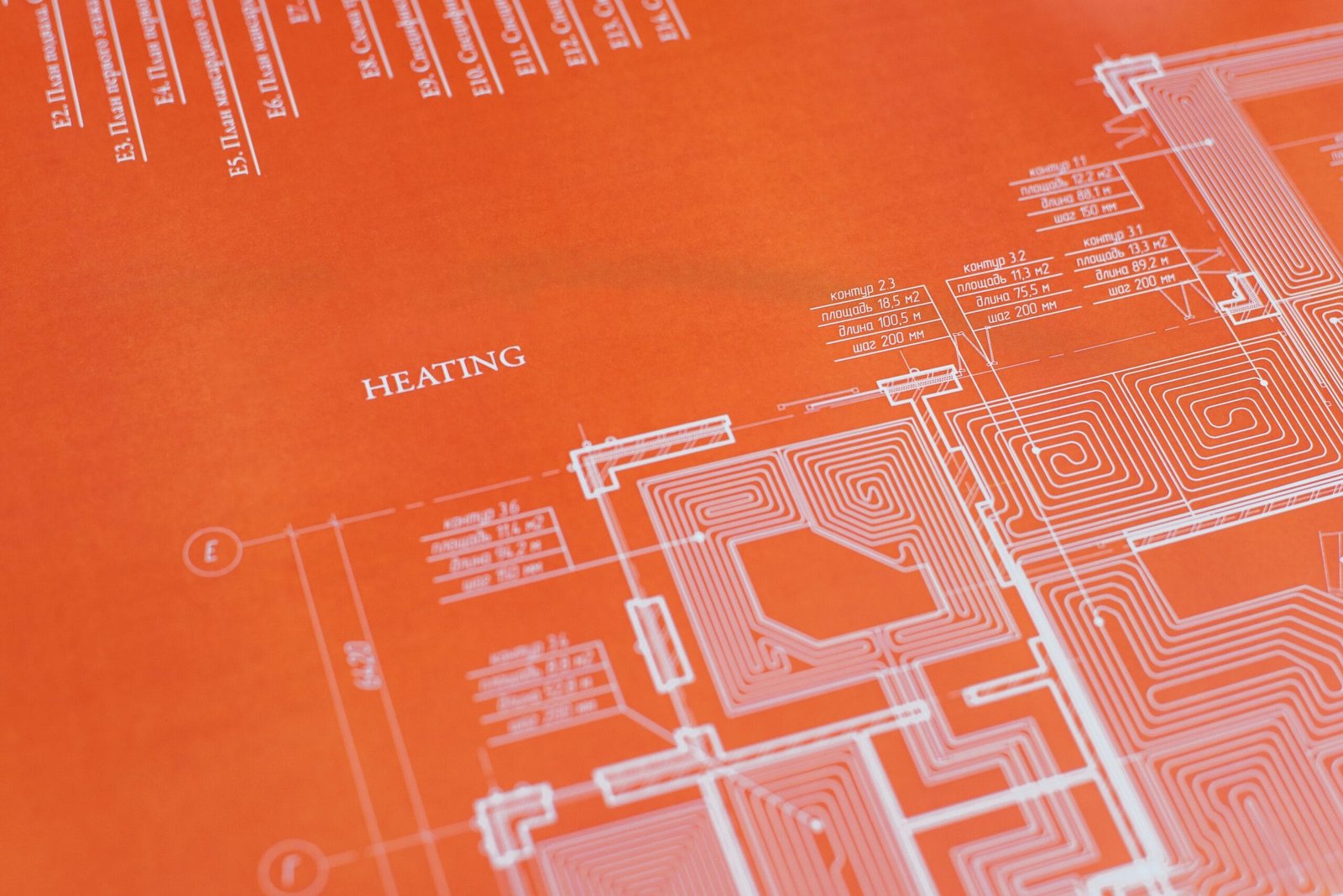
Underfloor heating has earned a reputation as one of the most comfortable and efficient ways to heat a home – providing even warmth from floor to ceiling without radiators, draughts, or cold spots. But for homeowners choosing the timeless beauty of reclaimed wood flooring, questions often arise: Is reclaimed timber compatible with underfloor heating? Will heat damage the boards? How should it be installed?
At Reclaimed Floorboards Limited, we believe you shouldn’t have to compromise on warmth or style. With the right approach, underfloor heating and reclaimed wood can work together beautifully, giving you cosy, character-filled floors that perform for years.
Underfloor heating offers several advantages over traditional radiators:
Warmth from the ground up: Heat rises evenly, making living spaces feel more comfortable with lower energy use.
Designer-friendly: No radiators means cleaner walls and uninterrupted interior design – perfect for showcasing reclaimed timber.
Energy efficient: Because heat disperses slowly and evenly, systems can run at lower temperatures, often reducing heating bills.
Pairing this with reclaimed wood enhances that warmth – both physically and aesthetically. The natural tones and textures of aged timber work beautifully with subtle warmth underfoot, creating inviting rooms with a sense of depth and character.
Yes – but with important considerations.
Reclaimed wood is compatible with underfloor heating when properly prepared and installed. The key is understanding that wood is a natural material – it expands and contracts in response to temperature and moisture changes. Reclaimed boards, especially those from old buildings, tend to be more stable due to their age and density. However, they still require careful handling to avoid gaps, cupping, or movement once heat is introduced.
Factors that influence suitability include:
Species and density: Hardwoods like oak and elm are generally more stable than softer, lighter timbers.
Board thickness: Mid-range thicknesses (often around 18–22mm) offer a balance between durability and responsiveness to heating.
Moisture content: Timber must be acclimatised to the home’s conditions before installation.
Installation method: Floating and direct bonding (glue-down) have different implications – more on that below.
Preparation is everything.
Before reclaimed boards are laid over a heating system, they must be acclimatised to the environment of the room – absorbing ambient temperature and humidity so they settle correctly. This can take several days to weeks, depending on the climate and storage conditions.
Boards should be checked for moisture content and matched to the expected conditions of the heated floor. Too wet, and they may shrink post-installation; too dry, and they might expand as the system runs.
Proper surface preparation of the subfloor and insulation beneath the heating system also plays a vital role in performance and stability.
Most modern underfloor heating systems are compatible with wood floors, but water-based (wet) systems typically offer more even heat distribution than electric mats – especially with thicker or denser reclaimed boards. Warm, consistent heat reduces stress on the timber.
Bonded Installation: Reclaimed boards are glued directly to the subfloor (or screed). This method improves heat transfer and minimises movement over time.
Floating Floor: Boards interlock above the heating system without adhesive. While more flexible, it can slightly reduce heat conduction and requires careful board selection to mitigate movement.
Wood reacts best to gentle, controlled heat. Systems should be set to gradual temperature increases – generally not exceeding 27–28°C at the surface for most woods. Sudden temperature spikes can dry and shrink the boards, causing gaps or cracks.
Programmable thermostats and zone control help tailor warmth without stressing the floor.
One of the biggest challenges with timber and heat is moisture control. Wood naturally expands with humidity and contracts as it dries. Underfloor heating adds another variable.
To manage this:
Maintain balanced humidity levels in the home (ideally between 40–60%).
Avoid rapid temperature swings.
Choose reclaimed boards that have undergone proper milling, stabilisation, and conditioning.
These practices help ensure your floors stay beautiful and structurally sound for years.
Once installed, caring for your reclaimed wood floor isn’t much different, but there are a few tips to keep them looking great:
Clean with pH-neutral products to avoid stripping oils or finishes.
Avoid excessive water (wood and moisture don’t mix).
Keep the heating on at a low, consistent temperature during cold months rather than switching it on/off abruptly.
Use rugs in high-traffic areas to protect finish without insulating the floor excessively.
Regular checks and gentle maintenance keep both your wood and heating system performing optimally.
With thoughtful preparation, correct system design, and professional installation, underfloor heating and reclaimed wood make a perfect pairing. You get the earthy charm and unique character of aged timber alongside comfortable, efficient warmth beneath your feet.
At Reclaimed Floorboards Limited, we specialise in helping homeowners combine beautiful flooring with modern heating solutions – offering expert guidance from board selection to final finish. If you’re considering underfloor heating with reclaimed timber, we’re here to help you make the right choice for comfort, stability, and style.
Reclaimed wood flooring brings unparalleled character, rich history, and sustainable beauty to any interior. Whether you are restoring a period property or adding warmth to
Installing reclaimed wood flooring adds instant warmth, undeniable character, and a tangible sense of history to any room. Whether you have sourced Victorian pine or
When choosing new flooring, homeowners have more options than ever. From laminate and engineered wood to brand-new solid timber, there is a style to suit

August is one of the most popular times of year to tackle home improvements. With longer days, warmer weather and many people taking time off