
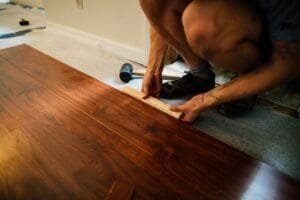
How to Install Reclaimed Wood Flooring Like a Pro
Reclaimed wood flooring brings character, history, and natural beauty into any space. With its aged patina, unique grain patterns, and sustainable appeal, it’s a premium
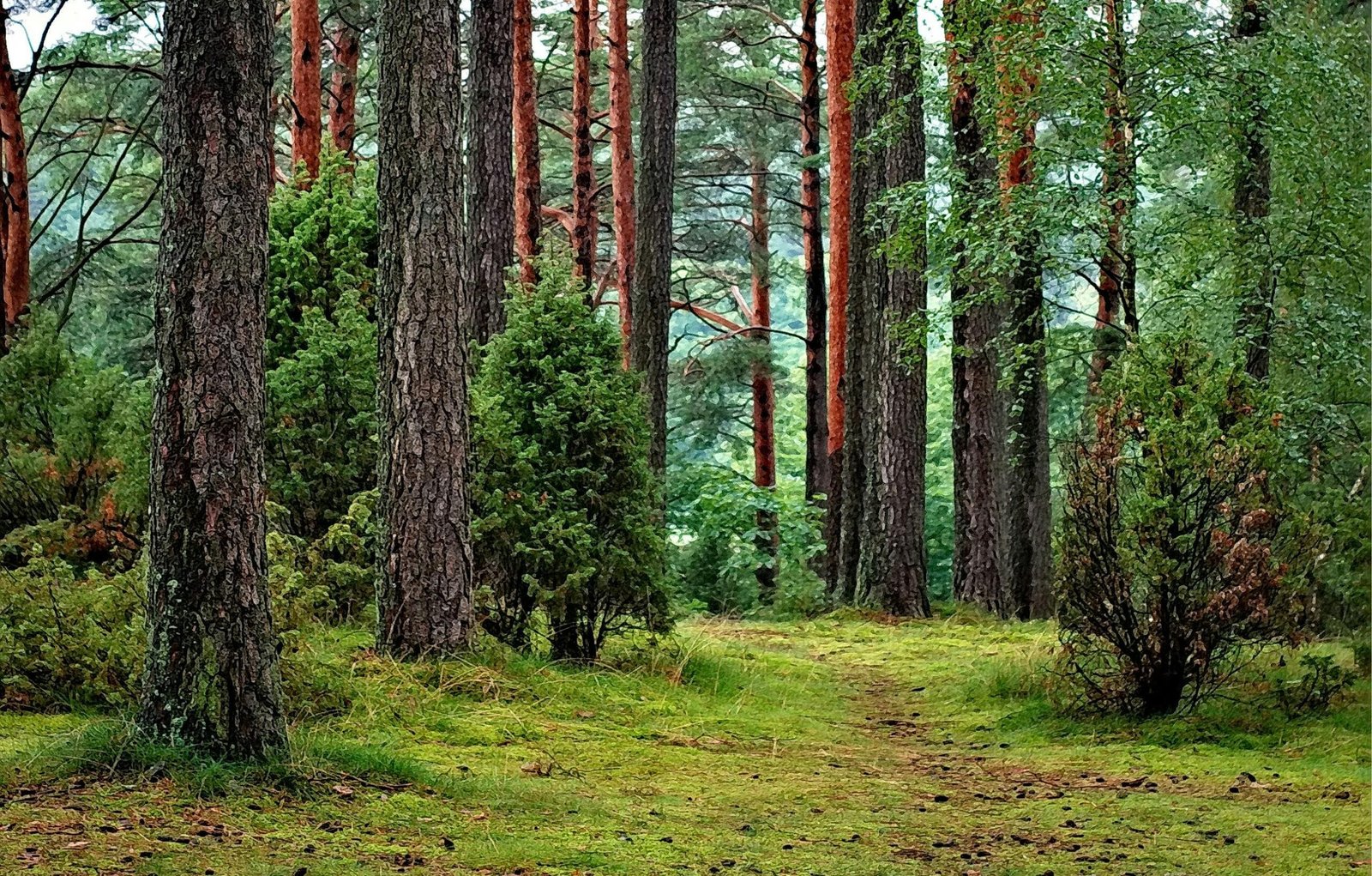
Deforestation remains one of the most pressing environmental challenges facing the planet. Each year, millions of hectares of forest are cleared for agriculture, development, and timber production. While wood is a natural and renewable material, unsustainable harvesting practices can contribute to habitat destruction, biodiversity loss, and increased carbon emissions.
One powerful way to reduce demand for newly felled timber is by choosing reclaimed wood. By repurposing existing materials, reclaimed wood flooring supports conservation efforts while delivering timeless character and durability.
Forests play a crucial role in regulating the Earth’s climate. Trees absorb carbon dioxide, support wildlife ecosystems, protect soil stability, and maintain water cycles. When forests are cleared irresponsibly, the environmental consequences extend far beyond the immediate area.
Deforestation contributes to:
Increased greenhouse gas emissions
Loss of biodiversity and wildlife habitats
Soil erosion and flooding
Disruption of local communities
Reducing reliance on newly harvested hardwoods is an important step towards more sustainable construction and interior design practices.
Reclaimed wood is timber that has been salvaged from old buildings, barns, factories, warehouses, and other structures. Instead of being discarded, this wood is carefully recovered, processed, and repurposed for new applications such as flooring, wall cladding, beams, and furniture.
Because reclaimed wood has already served a previous purpose, using it does not require cutting down additional trees. This significantly lowers environmental impact compared to sourcing newly harvested hardwood.
Choosing reclaimed wood flooring directly reduces demand for freshly logged timber. When consumers prioritise reclaimed materials, it encourages more sustainable supply chains and reduces pressure on natural forests.
Reclaimed wood also maximises the lifespan of existing resources. Timber that may have otherwise ended up in landfill is given a second life, reducing waste and lowering overall material consumption.
Additionally, older reclaimed timber often comes from slow-grown forests, meaning the wood is denser and more durable than many modern fast-grown alternatives. This longevity reduces the need for replacement, further decreasing long-term environmental impact.
The production of new hardwood flooring involves logging, transportation, milling, drying, and processing – all of which contribute to carbon emissions. By contrast, reclaimed wood skips the logging stage entirely.
Although reclaimed timber still requires processing and preparation, its overall carbon footprint is typically lower because it repurposes an existing material. In many cases, reclaimed wood also retains the carbon it absorbed during its original growth cycle, preventing it from being released back into the atmosphere.
Beyond environmental benefits, reclaimed wood offers a unique aesthetic that cannot be replicated by newly manufactured flooring. Natural patina, aged grain patterns, saw marks, and historical markings give each board individual character.
This combination of sustainability and authenticity makes reclaimed wood flooring an attractive option for homeowners, designers, and architects seeking both environmental responsibility and distinctive style.
Reclaimed wood plays an important role in promoting a circular economy – a system focused on reusing and repurposing materials rather than extracting new resources. By investing in reclaimed wood flooring, consumers support sustainable building practices that prioritise resource efficiency.
Rather than viewing timber as disposable, reclaimed wood encourages long-term thinking, craftsmanship, and conservation.
While deforestation remains a global issue, individual choices can make a meaningful difference. Opting for reclaimed wood flooring helps reduce demand for newly harvested timber, minimises waste, and supports more sustainable construction methods.
At Reclaimed Floorboards Limited, we believe in combining environmental responsibility with exceptional quality. Our reclaimed wood products offer durability, heritage, and sustainability – allowing you to make a design statement that also supports conservation.
Choosing reclaimed wood isn’t just about style. It’s about protecting forests for future generations.
Reclaimed wood flooring brings character, history, and natural beauty into any space. With its aged patina, unique grain patterns, and sustainable appeal, it’s a premium
Reclaimed floorboards bring character, texture, and history into a space. They also behave differently from new timber. Gaps and warping are common issues. They are
Refinishing reclaimed wood floors is different from refinishing new or engineered flooring. Reclaimed boards have history. They show wear, variation, and natural movement. You should
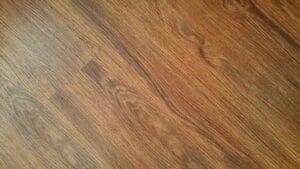
Reclaimed wood flooring brings timeless character, rich patina, and organic warmth to any space – but like all real timber, it needs the right protective