
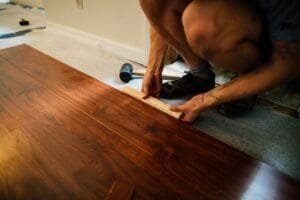
How to Install Reclaimed Wood Flooring Like a Pro
Reclaimed wood flooring brings character, history, and natural beauty into any space. With its aged patina, unique grain patterns, and sustainable appeal, it’s a premium
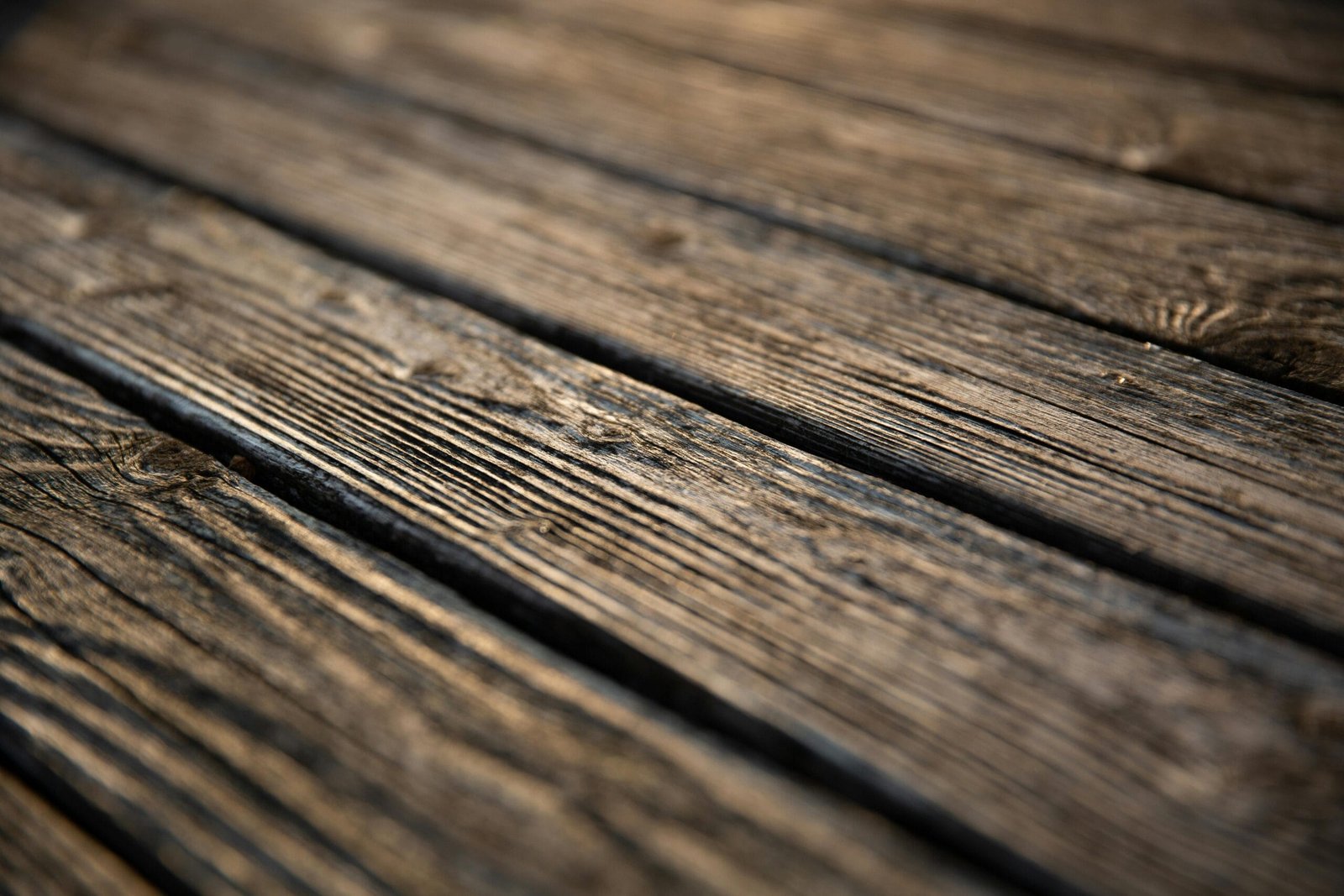
Reclaimed floorboards bring character, texture, and history into a space. They also behave differently from new timber. Gaps and warping are common issues. They are not faults. They are natural responses to age, moisture, and movement.
If you understand why these issues occur and how to manage them properly, you can protect the floor and preserve its value.
Reclaimed wood has already lived through decades of environmental change. The boards expanded and contracted long before installation in your property.
Common causes include the following.
Seasonal changes in humidity.
Dry indoor heating during winter.
Natural movement in older timber.
Uneven subfloors.
Historic drying patterns in the wood.
Gaps often appear in colder or drier months. Warping can occur when boards absorb uneven moisture. These changes are expected. The goal is management, not elimination.
Small gaps between reclaimed floorboards are normal. They allow the wood to move safely. Trying to remove all gaps often causes more harm than good.
Gaps become a concern when they do the following.
Catch footwear or furniture legs.
Allow drafts from below.
Trap excessive dirt.
Widen suddenly or unevenly.
If gaps remain consistent year to year, they are usually harmless. If they continue to widen or change shape, further inspection is needed.
The correct solution depends on gap size and movement patterns.
For small and stable gaps, the best option is often to leave them alone. They form part of the reclaimed look and allow seasonal movement.
For moderate gaps, common approaches include the following.
Flexible resin fillers that move with the wood.
Narrow timber slivers made from reclaimed material.
Rope or fibre inserts for traditional installations.
Avoid rigid fillers. They crack as the boards move. Any repair should blend naturally and allow flexibility.
Filling should only be done after the floor has settled in its environment. This usually takes several months after installation or refinishing.
Warping occurs when moisture levels become unbalanced. One side of the board expands more than the other.
Common causes include the following.
Moisture rising from subfloors.
Spills left untreated.
High indoor humidity.
Poor ventilation.
Cupping, crowning, or twisting can appear. The severity determines the solution.
Minor warping often resolves on its own once moisture levels stabilise. The first step is always moisture control.
Practical actions include the following.
Maintain consistent indoor humidity.
Use dehumidifiers when needed.
Fix leaks or damp issues immediately.
Improve airflow under suspended floors.
Sanding should never be the first response. Sanding before moisture stabilises removes material and worsens long term movement.
For more severe warping, professional assessment is essential. Solutions may include board re fixing, localised repairs, or controlled sanding once the wood is stable.
Not every imperfection needs correction. Reclaimed floors are valued for variation and movement.
You should avoid intervention when the issue does the following.
Changes with the seasons.
Does not affect function.
Does not worsen over time.
Matches the character of the floor.
Over correcting reclaimed wood often leads to damage. Preservation should always come before perfection.
The finish you choose affects how reclaimed floorboards behave.
Breathable finishes allow controlled moisture exchange. Hardwax oils are commonly used for this reason. They reduce surface moisture absorption while allowing natural movement.
Impermeable finishes can trap moisture if conditions change. This increases the risk of warping.
Finish choice should always match the environment and usage of the space.
Consistent care reduces movement problems over time.
Best practices include the following.
Keep indoor humidity stable year round.
Clean with minimal water.
Avoid steam cleaners.
Use mats near entrances.
Address spills quickly.
Reclaimed floors respond well to routine maintenance and periodic professional inspection.
Reclaimed floorboards require experience. General flooring solutions often fail because reclaimed timber behaves differently.
Specialists understand when to intervene and when to leave the floor alone. This protects both appearance and lifespan.
Dealing with gaps and warping in reclaimed floorboards is about balance. You manage movement rather than fight it. Done correctly, the floor remains stable, functional, and full of character for decades.
Reclaimed wood flooring brings character, history, and natural beauty into any space. With its aged patina, unique grain patterns, and sustainable appeal, it’s a premium

Deforestation remains one of the most pressing environmental challenges facing the planet. Each year, millions of hectares of forest are cleared for agriculture, development, and
Refinishing reclaimed wood floors is different from refinishing new or engineered flooring. Reclaimed boards have history. They show wear, variation, and natural movement. You should
Reclaimed wood flooring brings timeless character, rich patina, and organic warmth to any space – but like all real timber, it needs the right protective