

How to Deal with Gaps and Warping in Reclaimed Floorboards
Reclaimed floorboards bring character, texture, and history into a space. They also behave differently from new timber. Gaps and warping are common issues. They are
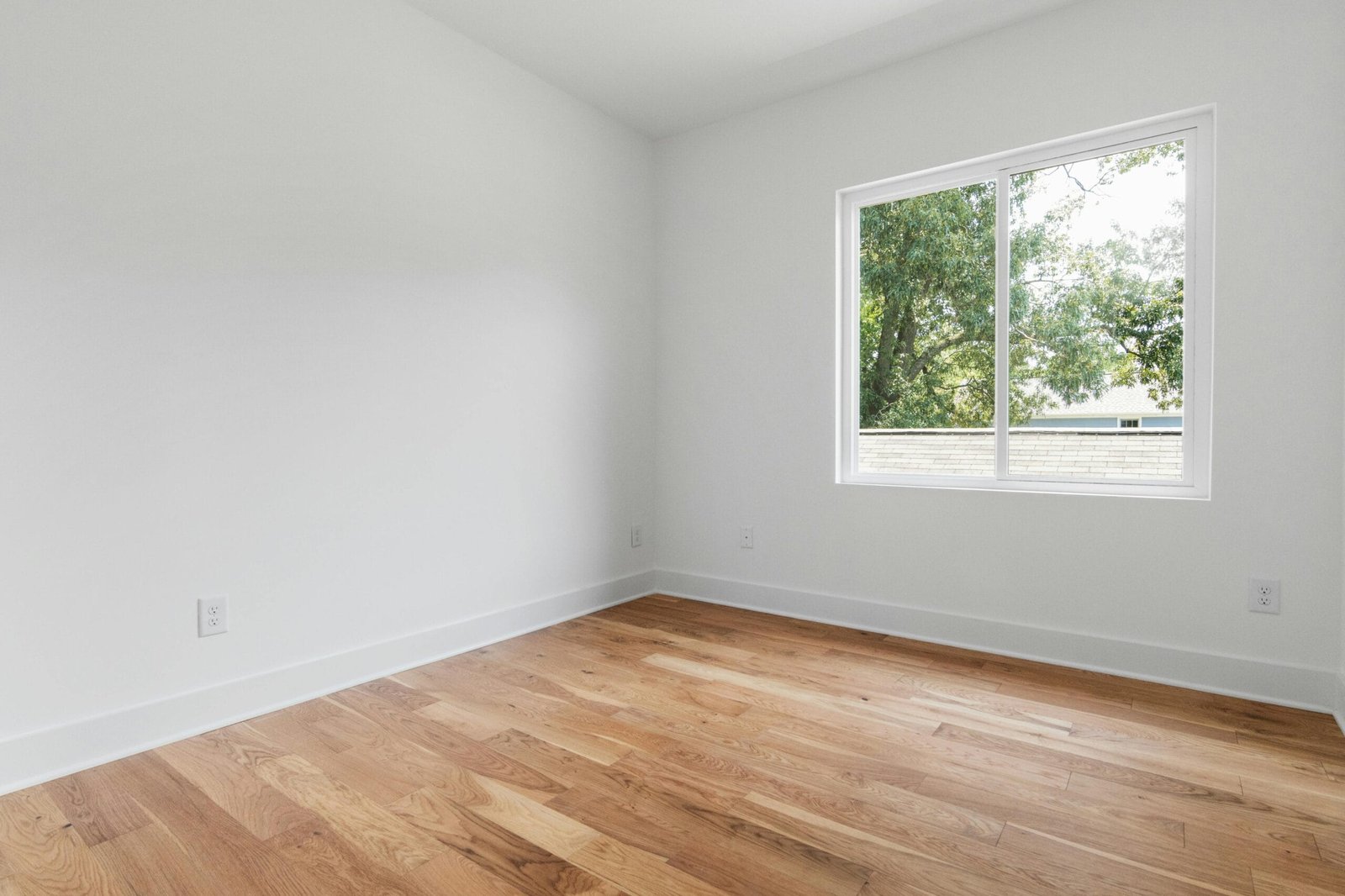
Wood is one of the most versatile materials in interior design, with the power to completely shift the atmosphere of a room. Whether you’re styling a modern apartment, a rustic retreat, or something in between, choosing the right wood tone is essential to creating a cohesive and visually appealing space.
From deep, rich hues to soft, weathered finishes, each tone carries its own personality. The trick is understanding how these tones work with your interior style, and how reclaimed wood, in particular, adds character that newer materials simply can’t replicate.
Wood tone plays a huge role in setting the mood of a room. Light woods can create an airy, Scandinavian feel, while darker tones bring depth, elegance, and drama. Mid-tones feel warm and welcoming, ideal for traditional or transitional spaces. When using reclaimed wood, these tones become even more impactful thanks to natural aging, patina, and unique grain patterns.
Matching the right tone to your interior style ensures harmony and balance. It prevents clashing colours, avoids overwhelming the space, and enhances the overall flow of your design.
Before diving into specific styles, it helps to understand the temperature of wood tones:
Warm tones
Woods like oak, cherry, walnut, and reclaimed barn wood often have red, yellow, or golden undertones. They bring a cosy, inviting feel to a space.
Cool tones
Ash, maple, and some reclaimed timbers with grey weathering offer cooler undertones. They work well in modern, industrial, or minimalist spaces.
Neutral tones
Some reclaimed woods fall beautifully in the middle, with muted browns that balance easily with most colour palettes.
Once you know the undertone, it becomes much easier to match the tone to your interior style.
Modern design thrives on simplicity, clean lines, neutral palettes, and clutter-free spaces.
Best wood tones: Cool or neutral reclaimed wood.
Think grey-washed planks, faded barn wood, or pale reclaimed timber. These tones complement white walls, black fixtures, and contemporary metal accents without overpowering the minimalist aesthetic.
Tip: Use reclaimed wood sparingly, such as on shelving, statement furniture, or accent walls, to maintain the clean look.
Scandi design is all about light, warmth, and natural materials.
Best wood tones: Pale, soft, or light neutral woods.
Bleached reclaimed wood or light oak tones pair perfectly with the airy, calm feel of Scandinavian interiors. They brighten the room and keep it feeling spacious.
Tip: Combine light reclaimed wood with cosy textiles and soft earthy colours for a balanced, hygge-inspired space.
Rustic interiors celebrate texture, warmth, and character -making reclaimed wood a natural fit.
Best wood tones: Warm, rich, weathered tones.
Look for reclaimed beams, distressed planks, and pieces with deep browns, knots, and visible grain.
Tip: Don’t be afraid to mix tones here. rustic style thrives on authenticity and natural variation.
Industrial design leans towards raw textures and bold contrasts.
Best wood tones: Cool, dark, or highly weathered reclaimed wood.
Grey or charcoal-toned woods pair well with metal fixtures, exposed brick, and concrete.
Tip: Use reclaimed wood on tabletops or shelving to soften the harder industrial materials while keeping the aesthetic unified.
These spaces mix classic comfort with subtle modern touches.
Best wood tones: Mid-tone or warm reclaimed woods.
Medium browns and honey shades add timeless warmth without feeling outdated.
Tip: Reclaimed wood furniture is especially effective – timeless yet unique.
You don’t have to stick to one tone throughout your home. The key is thoughtful mixing.
Stay within the same undertone family (all warm or all cool).
Choose one dominant tone, then use others sparingly.
Use rugs, fabrics, and accent colours to tie different tones together.
Matching wood tones to your interior style is all about understanding mood, temperature, and texture. Reclaimed wood, with its natural imperfections and rich history, adds even more depth to this process. Whether you prefer sleek modern lines or cosy rustic vibes, choosing the right tone helps create a space that feels intentional, harmonious, and uniquely yours.
Reclaimed floorboards bring character, texture, and history into a space. They also behave differently from new timber. Gaps and warping are common issues. They are
Refinishing reclaimed wood floors is different from refinishing new or engineered flooring. Reclaimed boards have history. They show wear, variation, and natural movement. You should
Reclaimed wood flooring brings timeless character, rich patina, and organic warmth to any space – but like all real timber, it needs the right protective

Underfloor heating has earned a reputation as one of the most comfortable and efficient ways to heat a home – providing even warmth from floor