
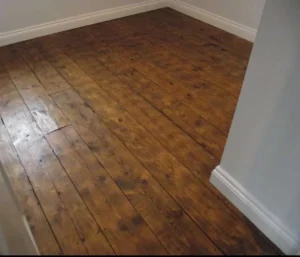
Finishing Touches: Protecting Reclaimed Floors Before Guests Arrive
As autumn turns towards the festive season, many of us start planning gatherings: Sunday lunches, birthday parties and the inevitable run of Christmas visitors. Your
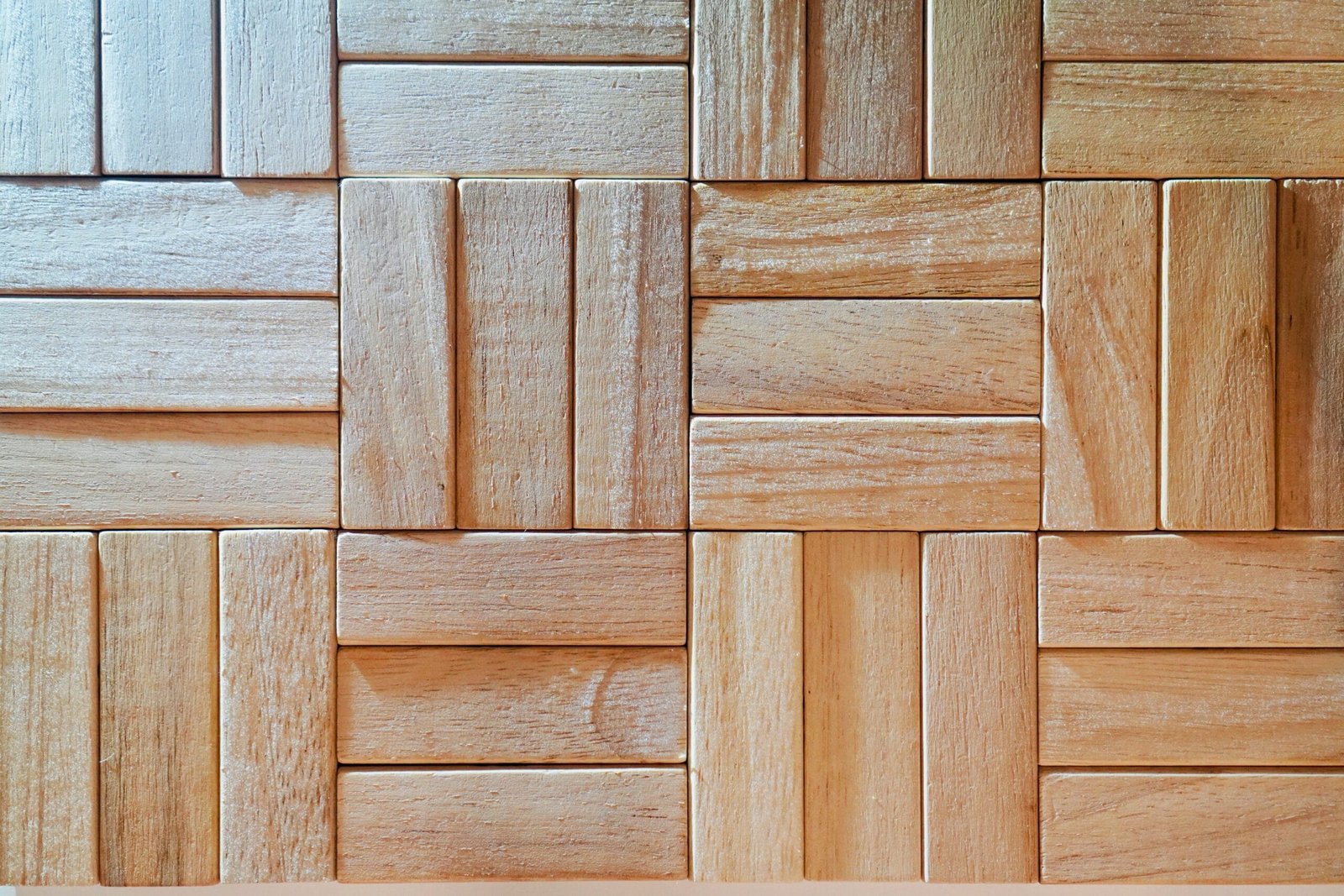
Installing reclaimed wood flooring adds instant warmth, undeniable character, and a tangible sense of history to any room. Whether you have sourced Victorian pine or industrial oak, the rich patina of aged wood simply cannot be faked. However, without the right preparation, that stunning 19th-century timber can inadvertently transform your living room into an acoustic echo chamber. Soundproofing is frequently an afterthought in domestic renovation projects, but when it comes to laying solid timber, it needs to be front and center.
Before you can effectively mute a noisy floor, it is helpful to understand exactly what kind of sound you are fighting. Flooring noise generally falls into two distinct categories: airborne noise and impact noise. Airborne noise includes the sounds of everyday life that travel through the air and penetrate the floor structure, such as loud televisions, booming music, or animated conversations from the room below. Impact noise, on the other hand, is the physical vibration caused by footsteps, dropped items, or scraping furniture hitting the timber surface directly.
Because reclaimed floorboards are incredibly dense—having air-dried and hardened over many decades—they are fantastic transmitters of impact noise. If you lay these historic boards directly over old timber joists or a bare concrete subfloor without an acoustic buffer, every heavy footstep will reverberate through the building. The key to a peaceful, quiet home is decoupling the timber from the rigid structure beneath it, creating a barrier that absorbs these vibrations before they can travel downwards or horizontally.
The single most effective way to reduce noise transfer is by investing in a high-quality acoustic underlay. This layer sits invisibly between your subfloor and your reclaimed boards, acting as a massive shock absorber for your home. When selecting an underlay, you have several reliable options depending on your budget and the specific acoustic requirements of your building.
Acoustic Rubber: Heavy, dense, and incredibly effective at blocking both airborne and impact noise. Mass-loaded rubber underlays are the gold standard for apartment living, upper-floor bedrooms, or any environment where strict noise regulations apply.
Natural Cork: A highly sustainable, eco-friendly option that pairs beautifully with the environmental ethos of reclaimed wood. Cork offers excellent thermal insulation alongside impressive natural sound-dampening properties, and it won’t break down over time.
Acoustic Foam: Typically the most budget-friendly option, closed-cell foam underlays (often with a built-in damp-proof membrane) are lightweight and decent at reducing minor impact noise. However, they generally struggle to block heavy airborne sound compared to rubber or cork.
Even the most expensive acoustic underlay will fail if the subfloor beneath it is loose, uneven, or structurally compromised. A significant portion of floor noise actually comes from the structural joists and the subfloor moving under weight, rather than the reclaimed boards themselves. Before you lay a single piece of your new flooring, you must meticulously inspect the foundation.
Walk across the entire room and listen closely for any existing squeaks, groans, or areas of deflection. If you are laying over existing floorboards or sheet plywood, ensure every single panel is securely screwed down to the joists. Avoid using nails for this preparation stage; nails will inevitably work themselves loose over time as the house breathes and settles, bringing those dreaded squeaks right back.
Furthermore, sound acts much like water—it will always find the path of least resistance. Ensure you fill any visible gaps in the subfloor using a flexible acoustic sealant. If you leave wide gaps around radiator pipes or between the floor and the wall, airborne noise will simply bypass your underlay altogether. Taking an extra day to fortify and seal the subfloor is the ultimate preventative measure against a noisy finish.
The way you physically attach your reclaimed floorboards dictates how much sound is ultimately transferred. While traditional secret-nailing methods have their place in historical restorations, modern acoustic requirements often demand a different approach.
| Installation Method | Acoustic Performance | Best Application |
| Direct Nailing / Screwing | Poor. Metal fixings create a direct physical bridge for vibrations to travel straight into the joists. | Ground floors where downward noise transfer is not a concern. |
| Full Trowel Gluing | Moderate. Flexible acoustic adhesives absorb some vibration, but heavy impact noise can still transfer into the subfloor. | Concrete subfloors or areas requiring extreme dimensional stability. |
| Floating Floor | Excellent. Boards are glued at the tongue and groove and rest entirely on the underlay with no physical fixings to the subfloor. | Upper-floor apartments, bedrooms, and heavy traffic zones. |
When floating a floor, it is crucial to leave a perimeter expansion gap. If the wooden boards touch the plaster walls or skirting, impact vibrations will travel horizontally into the walls (known as flanking noise). A cork expansion strip or a bead of flexible sealant at the edges keeps the floor acoustically isolated while allowing the timber to expand and contract naturally.
A truly luxurious floor looks incredible and sounds completely solid underfoot. By taking the time to understand acoustics, choose the right underlay, and properly prepare your subfloor, you can enjoy the historic charm of antique timber without distracting echoes.
At Reclaimed Floorboards Limited, we supply carefully curated, premium historic timber that is de-nailed, kiln-dried, and ready to be transformed into your perfect floor. Visit our website to explore our latest stock of reclaimed oak, pine, and maple, and build a beautiful, peaceful foundation for your home.
As autumn turns towards the festive season, many of us start planning gatherings: Sunday lunches, birthday parties and the inevitable run of Christmas visitors. Your
Hallways, kitchens and boot rooms take a real battering once the clocks go back. Wet boots, grit from the garden path, dogs coming in from
Reclaimed wood flooring brings unparalleled character, rich history, and sustainable beauty to any interior. Whether you are restoring a period property or adding warmth to
When choosing new flooring, homeowners have more options than ever. From laminate and engineered wood to brand-new solid timber, there is a style to suit