
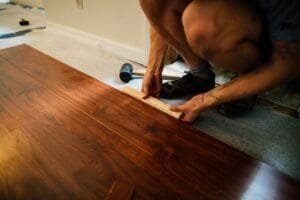
How to Install Reclaimed Wood Flooring Like a Pro
Reclaimed wood flooring brings character, history, and natural beauty into any space. With its aged patina, unique grain patterns, and sustainable appeal, it’s a premium
Refinishing reclaimed wood floors is different from refinishing new or engineered flooring. Reclaimed boards have history. They show wear, variation, and natural movement. You should expect a process that respects the character of the wood rather than trying to erase it.
If you are planning to refinish reclaimed wood floors, understanding what happens at each stage helps you prepare properly and avoid unrealistic expectations.
Reclaimed wood floors come from older buildings, barns, factories, or historic properties. The timber has already lived a long life. It often contains nail marks, saw cuts, colour variation, and natural patina.
Refinishing reclaimed wood floors focuses on preservation as much as improvement. The goal is to stabilise the surface, enhance durability, and refresh the appearance without removing the features that make the floor unique.
The process starts with a detailed inspection. This step matters more with reclaimed wood floors than with modern flooring.
You can expect checks for the following.
Remaining nail fragments or metal fixings.
Uneven board thickness.
Cracks, gaps, or movement between boards.
Signs of past repairs or replacements.
Loose boards are secured before sanding begins. Any exposed metal is removed or set below the surface. Skipping this step risks damaging sanding equipment and the floor itself.
You should also expect more preparation time than with standard floors. Reclaimed wood needs care and patience.
Sanding reclaimed wood floors takes longer than sanding new timber. The surface is often uneven due to age, wear, and past refinishing.
Professionals use multiple sanding passes. They remove surface dirt, old finishes, and rough patches gradually. Aggressive sanding is avoided. Removing too much material can damage the boards and erase their character.
You should expect some imperfections to remain. Small dents, marks, and texture changes are part of the appeal of reclaimed wood floors.
Dust control systems are used, but you may still notice more debris than with newer flooring. This is normal due to the condition of reclaimed timber.
Once sanding begins, hidden issues often appear. Gaps may widen. Cracks may become more visible. Old repairs may need attention.
Typical repair work includes the following.
Resin or wood filler for small cracks.
Slivers of reclaimed timber for larger gaps.
Board replacement only when necessary.
Colour matching matters. Repairs aim to blend naturally rather than look perfect. Expect variation. Uniformity is not the goal when refinishing reclaimed wood floors.
Finish choice has a major impact on the final result. Reclaimed wood reacts differently to finishes than new wood.
Common finish options include the following.
Hardwax oil for a natural, breathable surface.
Matt lacquer for durability with minimal shine.
Traditional oil finishes for deeper tone enhancement.
You should expect colour changes after finishing. Reclaimed wood often darkens or warms once sealed. Test patches are important. Always review samples before final application.
Drying times vary depending on the finish. Oils usually take longer to cure than lacquers. This affects how soon you can walk on the floor or move furniture back.
After refinishing reclaimed wood floors, the result looks cleaner and more defined. It does not look new. That distinction matters.
You will still see grain variation, marks, and colour shifts. These features give the floor depth and authenticity. A well refinished reclaimed floor feels solid underfoot and easier to maintain.
Maintenance becomes simpler. Dirt sits on the surface rather than embedding into old finishes. Regular sweeping and gentle cleaning protect the finish.
You should avoid harsh cleaners and excessive water. Reclaimed wood responds best to consistent, careful care.
Refinishing reclaimed wood floors takes time. Most projects last several days depending on size and condition.
You should plan for the following.
Limited access during sanding and finishing.
Temporary noise during working hours.
Restricted use until finishes cure fully.
Planning ahead reduces disruption. Clear rooms completely. Arrange alternative access if needed.
Reclaimed wood floors are not forgiving. Inexperience leads to over sanding, poor repairs, or inappropriate finishes.
Working with specialists ensures the floor retains its value and character. Experienced teams understand how reclaimed timber behaves and how to protect it.
Refinishing reclaimed wood floors is about respect for the material. The right approach enhances longevity without removing history.
Reclaimed wood flooring brings character, history, and natural beauty into any space. With its aged patina, unique grain patterns, and sustainable appeal, it’s a premium

Deforestation remains one of the most pressing environmental challenges facing the planet. Each year, millions of hectares of forest are cleared for agriculture, development, and
Reclaimed floorboards bring character, texture, and history into a space. They also behave differently from new timber. Gaps and warping are common issues. They are
Reclaimed wood flooring brings timeless character, rich patina, and organic warmth to any space – but like all real timber, it needs the right protective