
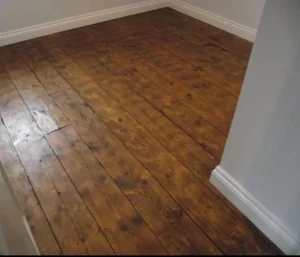
Finishing Touches: Protecting Reclaimed Floors Before Guests Arrive
As autumn turns towards the festive season, many of us start planning gatherings: Sunday lunches, birthday parties and the inevitable run of Christmas visitors. Your
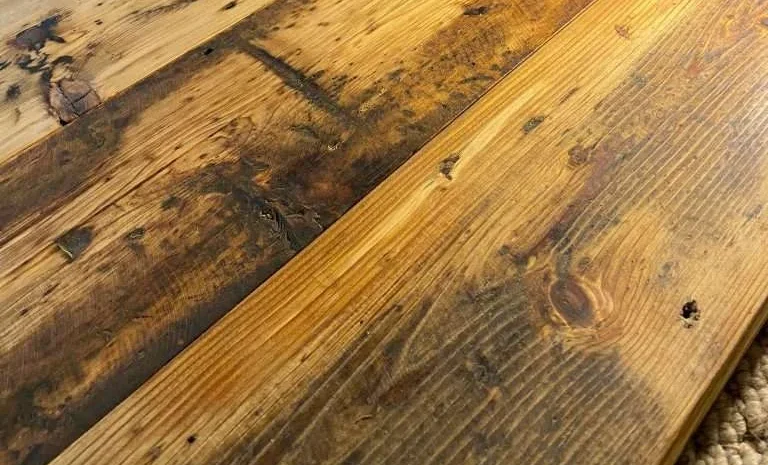
Hallways, kitchens and boot rooms take a real battering once the clocks go back. Wet boots, grit from the garden path, dogs coming in from muddy walks and the steady march of family and visitors all land on the same few square metres of floor, while the central heating quietly dries out the air around them. If you are planning a new floor before the colder months set in, choosing reclaimed floorboards for winter traffic is less about finding something indestructible and more about picking the timber, board width and finish that will cope gracefully with the season and still look full of character when spring arrives.
Winter brings two challenges at once. The first is abrasion. Grit and rock salt carried in from gritted pavements act like sandpaper underfoot, wearing through a finish far faster than summer dust ever could, and standing water from umbrellas, coats and boots can mark timber if it is left to sit. The second is movement. When the heating runs for long hours, indoor humidity drops and wood naturally gives up some of its moisture, which is why small gaps between boards often appear in January and close up again by summer. Reclaimed timber has already spent decades seasoning, so it tends to be more settled than freshly sawn wood, but it is still a natural material and it will always respond to the air around it. We explain this seasonal behaviour in more detail in our guide to dealing with gaps and warping in reclaimed floorboards.
Density matters most in a hard-working room. Reclaimed oak is a natural choice for hallways and kitchens because it resists dents well, while reclaimed pitch pine, with its tight grain and high resin content, has a long history in schools, churches and warehouses where floors were expected to take a pounding. If you are still weighing up species, our article on the most durable types of reclaimed wood is a useful starting point. Board width is worth thinking about too, as narrower boards generally show less seasonal movement than very wide planks, which can make them a sensible pick for a heated hallway or a room with underfloor heating. Finally, consider the grade. A rustic board with knots, nail holes and natural colour variation is wonderfully forgiving, because the odd winter scuff simply blends into the existing patina rather than standing out on a pristine surface.
The right finish does a great deal of the heavy lifting. Hardwax oil is popular for busy areas because it is breathable and small worn patches can be touched up without refinishing the whole room, whereas a water-based lacquer forms a tougher film that suits kitchens where spills are frequent. Alongside the finish, a few simple habits make a noticeable difference: a coarse mat outside the door and an absorbent one inside to catch grit and moisture, felt pads on chairs and stools, a quick sweep or vacuum (without a beater bar) whenever the weather turns wet, and a steady heating schedule rather than sudden blasts of heat. Keeping indoor humidity at roughly 40 to 60 per cent will help the boards stay comfortable and stable through the season.
Winter does not have to be the enemy of a beautiful floor. By choosing reclaimed floorboards for winter use with a little forethought (a dense species, a sensible width, a forgiving grade and a finish that suits the room), you can enjoy the warmth and history of salvaged timber in the busiest parts of your home all year round. If you would like to see what is available, browse our reclaimed flooring or call our team on 01274 649 704, and we will happily help you find the right boards for your hallway, kitchen or family room.
As autumn turns towards the festive season, many of us start planning gatherings: Sunday lunches, birthday parties and the inevitable run of Christmas visitors. Your
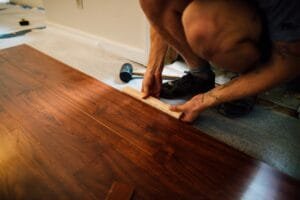
Reclaimed wood flooring brings unparalleled character, rich history, and sustainable beauty to any interior. Whether you are restoring a period property or adding warmth to
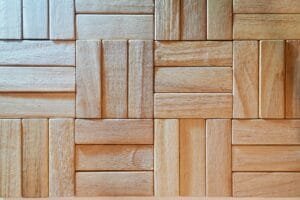
Installing reclaimed wood flooring adds instant warmth, undeniable character, and a tangible sense of history to any room. Whether you have sourced Victorian pine or
When choosing new flooring, homeowners have more options than ever. From laminate and engineered wood to brand-new solid timber, there is a style to suit